
Our Services

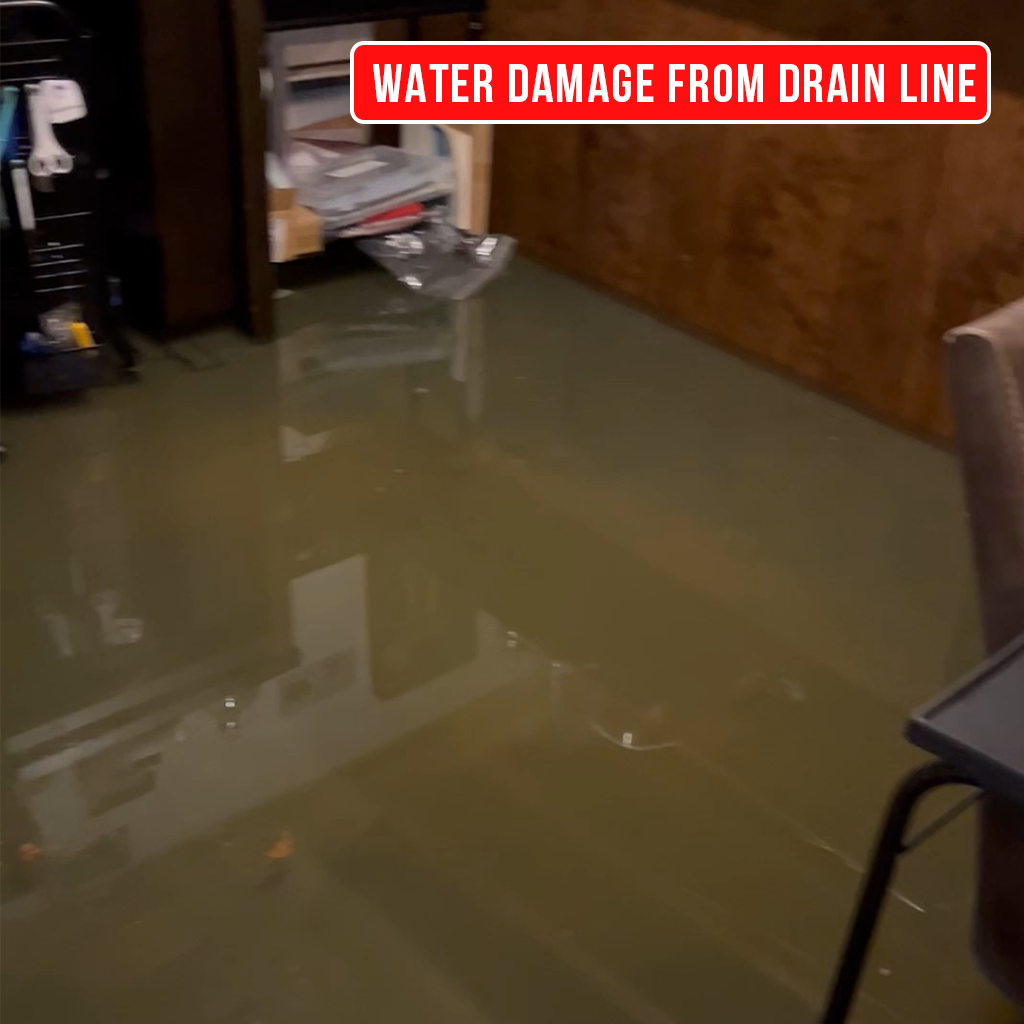
Water Damage From Drain Line: Complete Guide to Identifying, Cleaning, and Restoring Toxic Water Intrusion
Water damage inside your home can happen at any moment, and some of the most destructive cases come from broken drain lines, sewage backups, puff backs, and hidden leaks. Unlike clean water from supply lines, drain line water often contains bacteria, toxins, and harmful contaminants that require immediate professional attention. When water starts leaking from a drain pipe under the bathroom sink, toilet, bathtub, shower, kitchen sink, washing machine, or dishwasher, the damage can spread quickly—ruining ceilings, walls, floors, furniture, and personal belongings.
This type of contamination is not only unpleasant but also hazardous to your health. Whether the damage shows up suddenly or has been slowly occurring behind walls for weeks, accidental drain line water damage is typically covered by insurance, and proper restoration is critical to protect your home and ensure a smooth compensation process. This comprehensive guide explains everything you need to know about water damage from drain lines, how it affects your property, and how restoration experts help turn setbacks into settlements. Contact Us
What Causes Water Damage From Drain Lines?
Drain lines carry used water out of your home. When something goes wrong in the system, dirty water flows back into your living spaces. Common causes include:
Broken or cracked drain pipes
Bathroom sink drain leaks
Toilet drain line failure
Bathtub or shower drain leaks
Kitchen sink drain clog or pipe break
Washing machine or dishwasher drain overflow
Sewage backup from main line blockage
Puff back contamination from heating systems
Because drain water is classified as Category 2 or Category 3 contaminated water, even small leaks can become dangerous if left untreated.
Why Drain Line Water Damage Is More Dangerous
Drain water is often filled with:
Bacteria
Pathogens
Fecal matter
Chemical contaminants
Mold spores
Grease and food waste
Dirty wastewater
This type of water causes toxic damage, meaning your property must be professionally cleaned, sanitized, and restored to prevent long-term health issues. Children, elderly individuals, and pets are especially vulnerable to contaminated water exposure.
Signs of Drain Line Water Damage
Drain line issues may not always be visible immediately. Some leaks happen slowly behind walls, floors, and ceilings. Look for these warning signs:
Dark or wet stains on ceilings
Bubbling or peeling paint
Unpleasant sewer-like odor
Mold growth around baseboards or walls
Slow draining toilets, sinks, or showers
Gurgling sounds from pipes
Water pooling in unusual areas
Warped flooring or sagging ceiling
Sudden appearance of wet spots
If you notice these symptoms, the drain line may be leaking or backing up.
Common Areas Affected by Drain Line Damage
Water damage from drain lines can occur in many parts of the home, including:
1. Bathrooms
The bathroom is the most common source of drain-related water damage. Problems may come from:
Toilet drain leaks
Bathtub or shower drain issues
Sink drain line breaks
Overflowing toilets
Toxic water in bathrooms can quickly travel to nearby rooms and create major contamination.
2. Kitchen
Clogged or broken kitchen sink drain pipes are often filled with grease, food waste, and bacteria. This type of spill contaminates cabinets, flooring, and drywall.
3. Laundry Room
Washing machine drain hoses can overflow suddenly, releasing large amounts of dirty water onto floors.
4. Basement
Basement flooding is frequently caused by:
Sewage backups
Clogged main drains
Toilet drain overflow
Heavy rain overwhelming the sewer line
Basement sewage floods require special handling and full sanitization.
Sewage Backup: The Most Severe Type of Drain Damage
Sewage backups are considered Category 3 black water, the most dangerous water contamination level. It contains viruses, bacteria, and harmful waste that must be cleaned by certified professionals.
Sewage backup can cause:
Permanent flooring damage
Structural deterioration
Strong foul odors
Mold infestation
Destruction of personal items
Serious health hazards
If your basement floods due to sewage overflow, you should avoid contact and call a professional restoration team immediately.
Hidden Drain Line Leaks: A Silent Threat
Not all drain leaks cause immediate flooding. Some occur slowly behind walls or under flooring. Over time, this hidden water can cause:
Mold growth
Rotten wood framing
Weakening of structural beams
Electrical hazards
Damage to insulation
High humidity and foul odors
By the time the damage becomes visible, the problem may already be costly. Early professional detection prevents more serious damage.
Why You Should Never Clean Drain Line Water Damage Yourself
DIY cleaning is extremely risky because:
Toxic water contains harmful pathogens
Mold can develop within 24–48 hours
Contaminated surfaces require certified sanitization
Hidden moisture cannot be seen without specialized equipment
Carpet, padding, and drywall often need professional removal
Professional restoration ensures that your home is 100% safe, fully dry, and free of contamination.
Our Professional Drain Line Water Damage Restoration Process
When you contact us for drain line water damage, we follow an industry-approved step-by-step process:
1. Emergency Response and Damage Assessment
We inspect:
Contamination level
Structural damage
Moisture in walls and floors
Source of the drain leak
Health and safety risks
We also take photos and prepare documents for your insurance claim.
2. Extraction of Contaminated Water
Using industrial equipment, we remove:
Sewage water
Drain water
Standing water in basements
Wastewater from sinks, toilets, or showers
3. Removal of Damaged Materials
For health and safety, we remove:
Contaminated drywall
Soaked carpet and padding
Affected insulation
Irreparably damaged flooring
4. Deep Cleaning and Sanitization
We use EPA-approved disinfectants to eliminate:
Bacteria
Mold spores
Toxic residue
Odors
Contaminants
5. Advanced Structural Drying
We use:
HEPA air scrubbers
Industrial dehumidifiers
Air movers
Moisture meters
This prevents mold growth and structural warping.
6. Mold Prevention and Remediation
If mold is present, we provide full professional remediation to eliminate spores and restore air quality.
7. Full Repair and Restoration
We restore your home to pre-damage condition by repairing:
Walls
Floors
Ceilings
Cabinets
Electrical systems
Plumbing
8. Insurance Claim Support
Drain line water damage is typically covered by homeowners insurance. We help with:
Documentation
Adjuster communication
Claim submission
Damage reports
Our goal is to help you receive maximum compensation.
Conclusion
Water damage from drain lines—whether from a broken pipe, sewage backup, or hidden leak—is dangerous, toxic, and needs immediate professional attention. These types of accidental water incidents often affect ceilings, walls, floors, furniture, and even the air quality inside your home. With proper restoration, sanitization, and insurance claim support, you can protect your property and get full compensation for your loss.
When drain water damage strikes, we are your trusted partner in turning setbacks into settlements.